
If you operate commercial vehicles, you’ve probably heard the terms “commercial plates” and “apportioned plates.” They sound similar, but they’re definitely not the same.
And using the wrong one? That can cost you.
From roadside fines to unexpected delays, choosing the wrong registration type can create headaches no fleet wants during busy seasons, especially around the holidays or renewal deadlines.
So what’s the actual difference?
We’re breaking it all down, minus the jargon, to help you stay compliant and on the road.
The Short Answer: It’s All About Where You Drive
Commercial plates are for vehicles that operate only within one state.
Apportioned plates are for vehicles that operate across multiple states (or provinces) and are registered under the International Registration Plan (IRP).
Let’s look at a real-world example:
- A local plumbing company in Houston that only serves Harris County? That van needs commercial plates.
- A long-haul carrier picking up loads in Texas and delivering to Georgia, Oklahoma, and New Mexico? That truck needs apportioned plates, specifically Texas apportioned plates if the base jurisdiction is in Texas.
What Are Commercial Plates?
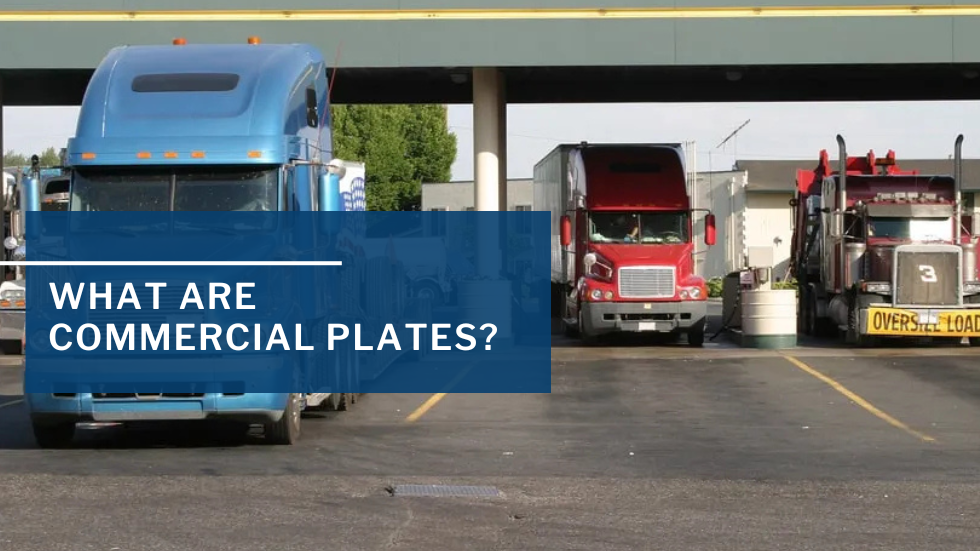
Commercial license plates are issued by your state DMV for vehicles used strictly for in-state business travel.
You’ll see these plates on:
- Box trucks for moving companies
- Local delivery vans
- Contractor trucks operating in a single city or region
They’re relatively easy to register, you’ll usually just need:
- A flat state registration fee
- Proof of insurance
- Periodic safety inspections
🚫 But beware: If that same vehicle crosses state lines without IRP credentials, you may face DOT citations, delays at weigh stations, or even temporary shutdowns.
What Are Apportioned Plates?
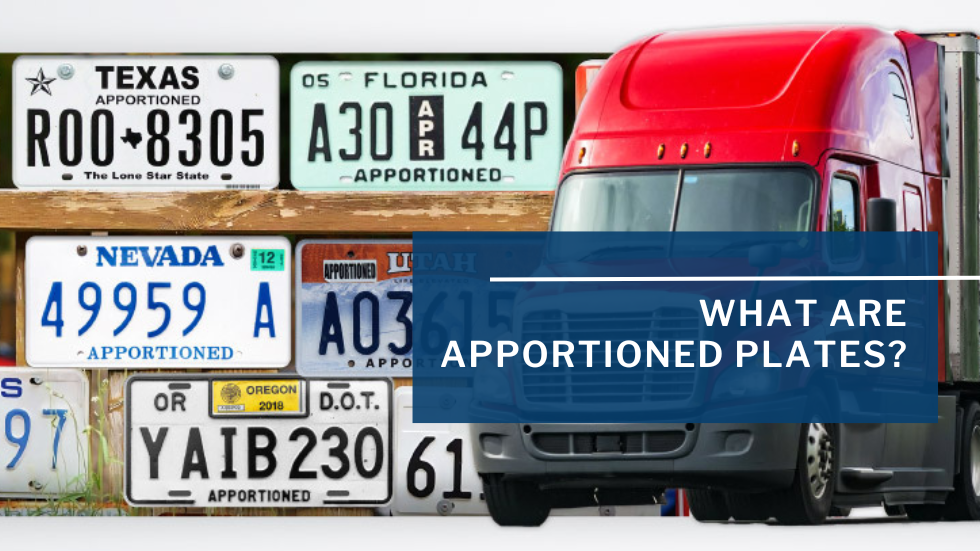
Apportioned plates fall under the International Registration Plan (IRP), a program that allows a vehicle to operate in multiple jurisdictions with a single license plate and cab card.
Instead of paying full registration fees in every state, you “apportion” your fees based on the percentage of miles traveled in each location.
If your business is based in Texas, you’ll apply through the Texas IRP process, something many companies choose to outsource to experienced transportation consultants like TMTC to avoid paperwork errors, missed deadlines, and agency delays.
Who Needs Apportioned Plates?
- Trucks over 26,000 lbs or with 3+ axles
- Vehicles operating across two or more jurisdictions
- Carriers engaged in interstate commerce

How to Apply for Apportioned Plates in Texas
The Texas IRP apportioned plate registration process is more involved than a standard DMV registration.
Here’s how to get started:
- Determine if you qualify
- Vehicles crossing state lines + meet weight/axle criteria
- Review apportioned plates requirements by jurisdiction
- Gather your paperwork
- DOT number
- Proof of insurance
- Mileage records (or estimated distance chart)
- Apply through your DMV
- Search: DMV near me
- Pay apportioned registration fees
- Use your estimated or reported miles to calculate
- Receive your apportioned license plate and cab card
- Your IRP cab card lists all states you’re authorized to operate in
Want help with any step? We offer fast apportioned plate processing in Texas with support from experienced transportation consultants.

How to Switch from Commercial Plates to Apportioned Plates
Many companies come to us asking how to switch from commercial plates to apportioned plates,especially when expanding into other states or winning a new interstate contract.
Here’s what to expect:
- Cancel your commercial registration (but keep records)
- Open an IRP account and report estimated mileage
- Submit required documentation to your base jurisdiction
- Receive your apportioned license plate and cab card
This is one of the most common IRP registration help requests we get from Texas-based fleets.

Why Working with Transportation Consultants Matters
Managing IRP, mileage tracking, and state filings isn’t something most fleet owners enjoy doing, and that’s why many turn to transportation consultants like TMTC.
Outsourcing this part of your operation is one of the most underrated benefits of outsourcing fleet management:
- Avoid delays during renewal season
- Reduce the risk of missed deadlines or non-compliance
- Gain expert insight into fee structures and cost savings
- Free up your internal team to focus on logistics, not paperwork
We help companies across the country get set up with Texas apportioned plates, file renewals, and fix IRP account errors. Whether you’re new to interstate operations or growing into new states, TMTC is your partner for staying compliant year-round.
Apportioned vs. Commercial Plates: A Quick Comparison
| Feature | Commercial Plates | Apportioned Plates (IRP) |
| Where You Can Operate | One state only | Multiple states or provinces |
| Issued By | Local County Office | State DMV |
| Fees | Based on gross weight | Based on mileage in each jurisdiction and gross weight |
| Best For | Local businesses, in-state deliveries | Long-haul fleets, multi-state carriers |
| Requirements | Simple registration + proof of business use | Mileage logs, cab card, annual renewal |
| Compliance Risk | High if used across states | High if reporting is incorrect or missed |
Common Questions About Apportioned Plates
What are the benefits of apportioned plates for interstate trucking?
They allow you to travel legally in multiple states with one plate, reduce redundant fees, and streamline compliance.
Who qualifies for apportioned plates in Texas?
Vehicles that cross state lines and are either over 26,000 lbs or have 3+ axles.
How to calculate apportioned registration fees?
Fees are based on vehicle weight and the percentage of miles traveled in each state. We can help run the numbers.
What are common mistakes when applying for apportioned plates?
Incomplete paperwork, incorrect mileage estimates, and applying under the wrong business entity.
What’s included in an IRP cab card?
Your approved states/provinces, vehicle info, and expiration date.
What’s the process for Texas apportioned plates?
You’ll apply through the Texas IRP system. TMTC can manage the paperwork, mileage reports, and renewals for you, saving you time and avoiding costly mistakes.
What are the benefits of outsourcing fleet management for plates and compliance?
You reduce admin work, avoid compliance errors, and gain a dedicated team keeping your registrations up to date, especially during busy renewal periods or expansion into new jurisdictions.
Can TMTC help with title corrections or multi-state permits too?
Yes, we specialize in registration, title services, and permits across the U.S. We also handle title corrections, duplicates, and replacements.
Not Sure What You Need?
You’re not alone. Many companies come to us unsure if they should switch to IRP or if their existing setup works.
We don’t just help you get your plates. We help you understand why you need them and how to stay compliant as your fleet grows or expands into new states.
👉 Learn more: How Faster Title Processing Helps Auto Loans
👉 Learn more: Navigating Commercial Vehicle Registration
👉 Service: Apportioned Plates & IRP Services
👉 Need a replacement plate? We’ve got that covered too
Final Thoughts
Whether you’re managing one vehicle or a growing fleet, the type of plate you choose matters.
- Commercial plates work well for intrastate businesses.
- Apportioned plates are essential for legal and efficient interstate hauling.
Our team of experienced transportation consultants is here to help you stay compliant, avoid fines, and register faster. It’s one of the smartest ways to streamline your operation—and one of the often-overlooked benefits of outsourcing fleet management.
Need Help?
Contact TMTC to get your apportioned plates started today.
Recent Comments